

How Much Does uPVC Door Repair Cost?
The price of repair to a door made of Upvc will vary based on the size and location of the crack in addition to the time it takes to complete the repairs. It also varies depending on the type of replacement or repairs are chosen.
Door handles that are loose usually indicate an issue with the gearbox of your uPVC door, and should be fixed by a professional.
Cracks
Cracks in doors made of uPVC may develop over time. This is typically due to normal wear and tear or changes in temperature. These cracks can be quite ugly and could even be the risk of security. Fortunately, this kind of issue is typically fixed with the help of a uPVC repair kit.
Once the crack has cured you can fill the crack and sand it down to create a smooth surface. This will help restore the strength of the uPVC and also prevent further damage from occurring. This will only be a temporary fix. It is best to repair the uPVC as quickly as you can to avoid further damage.
It is crucial to find an expert who has worked with repairing and replacing uPVC doors panels. They will know how to handle these problems effectively. You can determine the amount of experience the professional has when you check their social sites and social media profiles. This will give you a good idea of how excellent their work is and how satisfied previous customers have been with their service.
One of the major factors that determines how costly a uPVC repair job is likely to be is the degree of the damage to the uPVC. This is due to the greater the damage is, the more materials will have to be utilized to complete the repair. This will increase the total cost of repair work.
The complexity of the repair process can also increase the price. This is due to the fact that more complex repair tasks require specialized tools to be done in a timely manner.
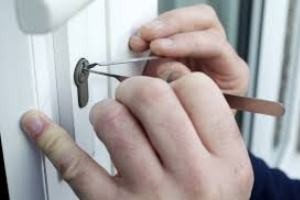
It is probable that the task will require re-aligning or replacing hinges. This kind of work is difficult and should be left to experts.
Snags
If your uPVC door has a snag it's crucial to get it fixed quickly. This will ensure that your home stays secure and that burglars aren't able to gain access through the rear or front of your property. Use a filler, or adhesive, specifically made for uPVC doors to repair the scratch. If your uPVC door has extensive damage or is particularly old, it might be better to get an expert to repair it.
The lock mechanism is the most prevalent problem in a uPVC knot. It is prone to becoming dislocated over time, or loosen. In this scenario, it will be difficult to open the door, and the key may not even fit inside. Fortunately, this problem is simple to solve. A professional can adjust the hinges and rollers, as well as the latch to make sure that they're all operating properly. They can also lubricate hinges as well as rollers in order to reduce friction and help the door move with ease.
Another common snag is the lock cylinder, that may not function properly. The cylinder needs to be replaced if the key does not fit into it or the door does not lock properly. It's a simple procedure, but leave it to professionals.
Depending on the type and extent of the damage to your uPVC door repair costs will vary considerably. There are some general guidelines that you can use to estimate the cost of this work.
The cost of a uPVC repair is based on the extent and type of damage as well as any other materials required to complete the project. If the door is painted, for instance, the price will be higher.
A professional can access high-quality tools and materials that are specially designed for uPVC repairs, which will ensure that the surface repaired will match the existing finish flawlessly. upvc door repairs will stop the issue from recurring in the future. A professional can also repair the issue faster and more effectively than a homeowner on their own.
Leaks
Leaks are a common problem with upvc doors and windows. They do not always occur due to a damaged or damaged rubber seal, but may be due to debris in the drainage ports. These are tiny holes that allow water out of your frame, it is vital to keep them clean as they are prone to getting blocked up with dirt. Pour water into the drainage ports to see if they are clear. It is best to test each one separately so you can determine which one is blocked.
To do this you will be required to find your drainage ports. They are a series of holes that are located at the bottom of your frame. These are designed to drain away rainwater or condensation. It should be possible to open and close them with a screwdriver. Once they are opened and closed, you can make use of the screwdriver inside to remove any debris. You can also use a vacuum with the nozzle of a small size to clean them.
Another issue that could be causing your leaks is that the cill is not sitting correctly it will need to be lifted and pushed back into its place. This will need to be done carefully as the seal is attached to the cill and could break if you try and do it yourself.
To do this, either contact your manufacturer directly and request an additional seal or can cut a piece of 25mm architrave to place it under the cill, this will stop the water from leaking into the rebate. It should let the water be able to drain towards the outside instead of inwards. This is a temporary fix however, as the cill is likely to need to be replaced in the future.
Hardware damaged
uPVC is a durable material that can withstand the heaviest forces. However, it is able to be damaged or scratched over time. If not treated it could lead to water intrusion or a less secure home. Fortunately, this type of damage is easy to fix. By using fillers or bonding agents designed specifically for uPVC can be used to smooth out scratches and cracks. This will not only improve the appearance of your uPVC door but will also help it maintain its structural integrity. Foreman Snags uses a variety of specialist repairing products to safeguard your uPVC door from further damage.
Loose door handles is another frequent issue with uPVC. It can happen in time and is usually caused by the screws that keep the handle in place getting damaged or loose. This can be a gruelling issue to address because it could affect the way that the door operates. It is best to leave this type of repair to an expert.
You can also fix the handle that is floppy by doing some easy DIY. Find the screws that keep the composite handle in place. Normally they are located on the inside of your door, and are covered with caps to protect them from the elements. Once you've found them, take off the cap and then remove the handle. Then, replace the screw and tighten it until you are sure it's secure.
A broken weather strip can also cause problems for uPVC door frames. This can let moisture, water and cold air into your home. It's important to check the weather stripping on a regular basis to ensure that it's in good working order and working properly. If it isn't it's time to replace the weather stripping with a new piece.
It is essential to have these problems repaired as quickly as you can when experiencing them. Otherwise, the damage may grow or your door won't shut properly. Make sure you hire a professional who has the expertise and experience to resolve these issues to avoid further injuries or complications.